
small bathroom wall mirror
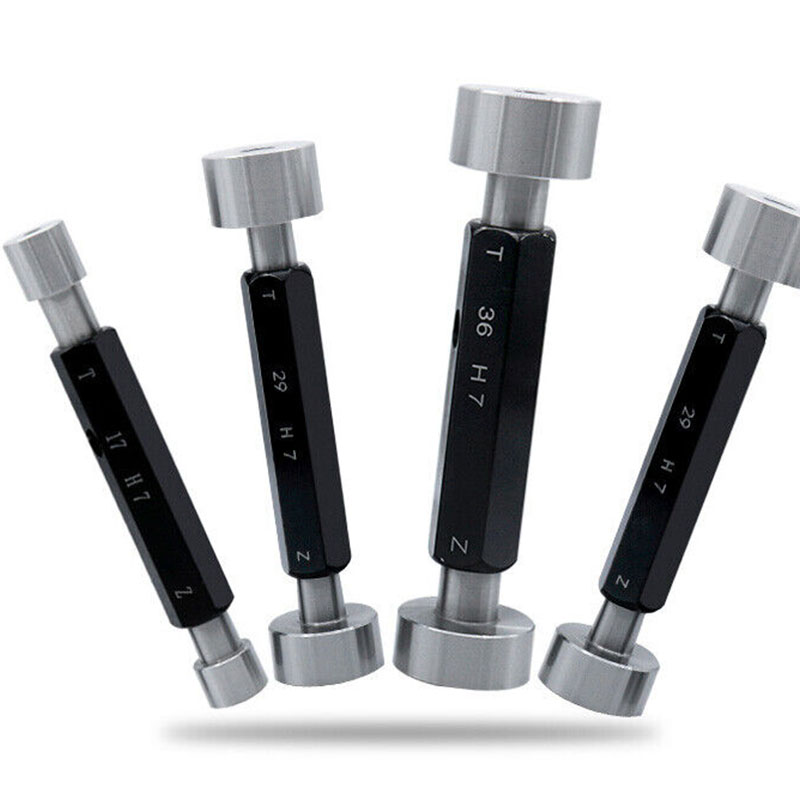
Spline Gage Calibration Ensuring Precision in Measurement Calibration is a critical process in maintaining the accuracy and reliability of measurement instruments, and spline gages are no exception. Spline gages are specialized tools used to measure the dimensions of various spline profiles, which are integral in the manufacturing of mechanical components such as gears, shafts, and couplings. The calibration of these gages ensures that they provide precise measurements essential for maintaining quality control in production processes. Spline Gage Calibration Ensuring Precision in Measurement The calibration of spline gages typically involves several steps. Initially, the gage is inspected for any physical damages or wear that might influence its accuracy. Following a thorough visual check, the gage is then compared against a master gage, which has been previously calibrated to a known standard. This comparison helps identify any discrepancies that may exist in the spline gage’s measurements. spline gage calibration Typically, calibration can be performed using both contact and non-contact methods. Contact methods involve physically placing the gage on the spline to obtain a measurement, while non-contact methods may utilize laser or optical measurements. Regardless of the method used, the goal remains the same to ascertain that the spline gage outputs measurements that are accurate and repeatable. After the calibration process is complete, detailed records of the results are maintained. These records are crucial as they ensure traceability and can be referred to during audits or quality assurance checks. Accurate documentation also aids in identifying trends over time, which can signal when recalibration may be required due to wear or material fatigue. In many industries where spline products are integral, including automotive, aerospace, and heavy machinery, the consequences of using uncalibrated or poorly calibrated gages can be severe. Components that do not meet specifications may lead to product failures, increased manufacturing costs, and compromised safety. In conclusion, spline gage calibration is a fundamental process in quality assurance that plays a significant role in ensuring mechanical components perform as intended. By adhering to strict calibration protocols, manufacturers can enhance product quality, improve operational efficiency, and ultimately ensure customer satisfaction. Through consistent application of best practices in spline gage calibration, industries can better safeguard the integrity and reliability of their products.
about
small bathroom wall mirror
Plastic concrete mesh is a type of reinforcement used in concrete construction to provide added strength and stability to the structure. Made from high-density polyethylene (HDPE), this mesh is a cost-effective and durable alternative to traditional steel reinforcement. One of the main advantages of plastic concrete mesh is its corrosion resistance. Unlike steel reinforcement, which is prone to rust and deterioration over time, plastic mesh does not corrode when exposed to moisture or chemicals. This means that structures built with plastic mesh will have a longer lifespan and require less maintenance over time. In addition to its corrosion resistance, plastic concrete mesh is also lighter in weight compared to steel reinforcement. This makes it easier to transport, handle, and install on construction sites, resulting in reduced labor costs and improved efficiency. The flexibility of plastic mesh also allows for easier bending and shaping to fit the contours of the concrete structure, making it a versatile reinforcement option . Furthermore, plastic concrete mesh is environmentally friendly as it is made from recyclable materials. This makes it a sustainable choice for construction projects that aim to reduce their environmental impact and carbon footprint plastic concrete mesh . By using plastic mesh instead of steel reinforcement, construction companies can contribute to a more sustainable and eco-friendly building industry. Despite its many benefits, plastic concrete mesh also has some limitations. For example, it has a lower tensile strength compared to steel reinforcement, which may limit its use in high-stress applications. Additionally, plastic mesh is more susceptible to damage from UV exposure, so it may not be suitable for outdoor applications without proper protection or coating. Overall, plastic concrete mesh is a versatile and cost-effective reinforcement option for a wide range of concrete construction projects. Its corrosion resistance, lightweight design, flexibility, and sustainability make it an attractive alternative to traditional steel reinforcement. However, it is important to consider the specific requirements of each project and the potential limitations of plastic mesh when choosing the right reinforcement option. With careful planning and proper installation, plastic concrete mesh can help to create strong and durable concrete structures that stand the test of time.
-

High quality industrial productsagement

High quality industrial products
View Details -

Meet the diverse needs of customers

Meet the diverse needs of customers
View Details -

Strict quality control

Strict quality control
View Details -

Top raw materials

Top raw materials
View Details -

Trusted supplier

Trusted supplier
View Details
Our application

news and information
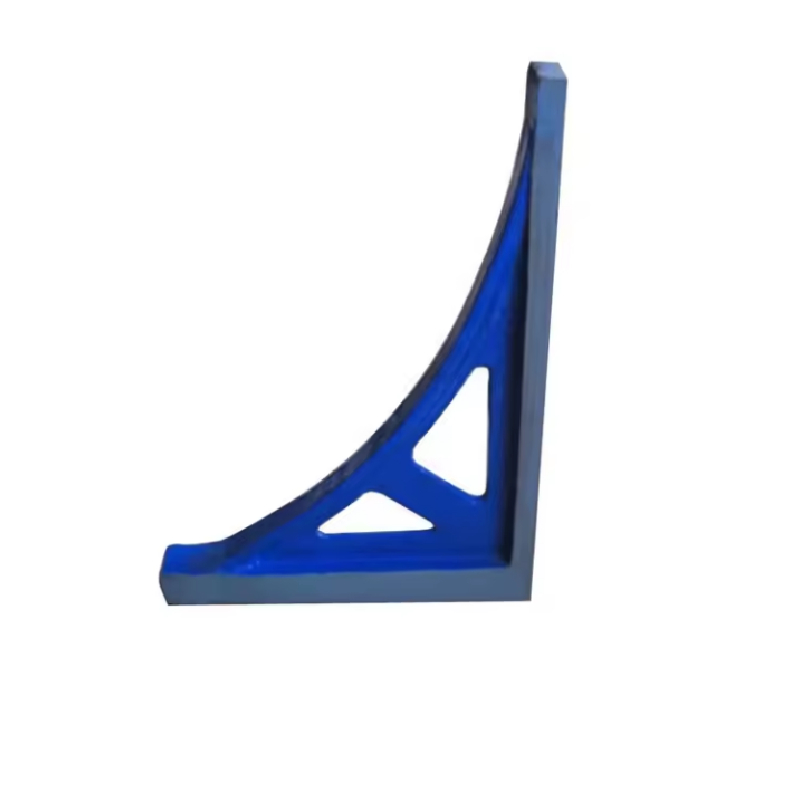
Using a Spirit Level for Accurate Measurement Techniques and Applications
Understanding the Spirit Level and Its Measurements The spirit level, also known as a bubble level,
v block
Understanding the V Block in Modern Technology In the fast-paced world of technology, the term V b
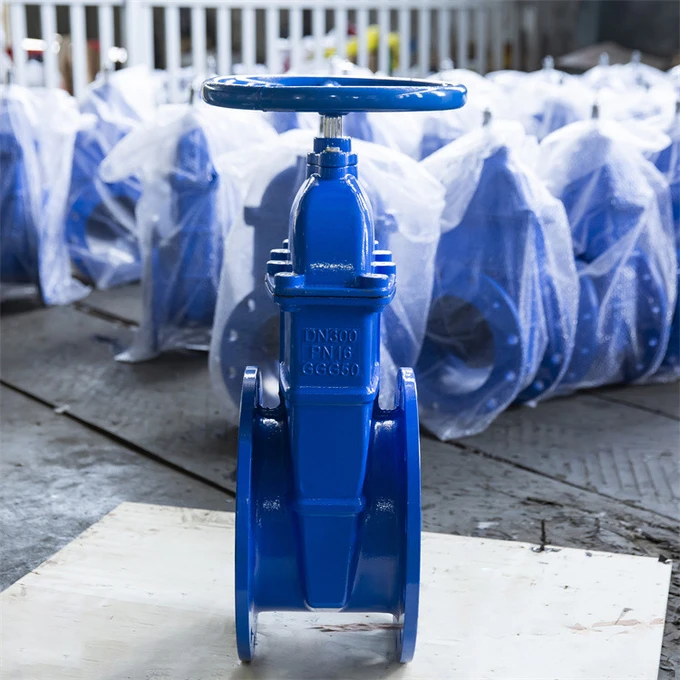
water valve replacement
Water Valve Replacement Ensuring Optimal Performance in Your Plumbing System Water valves play a cri
 English